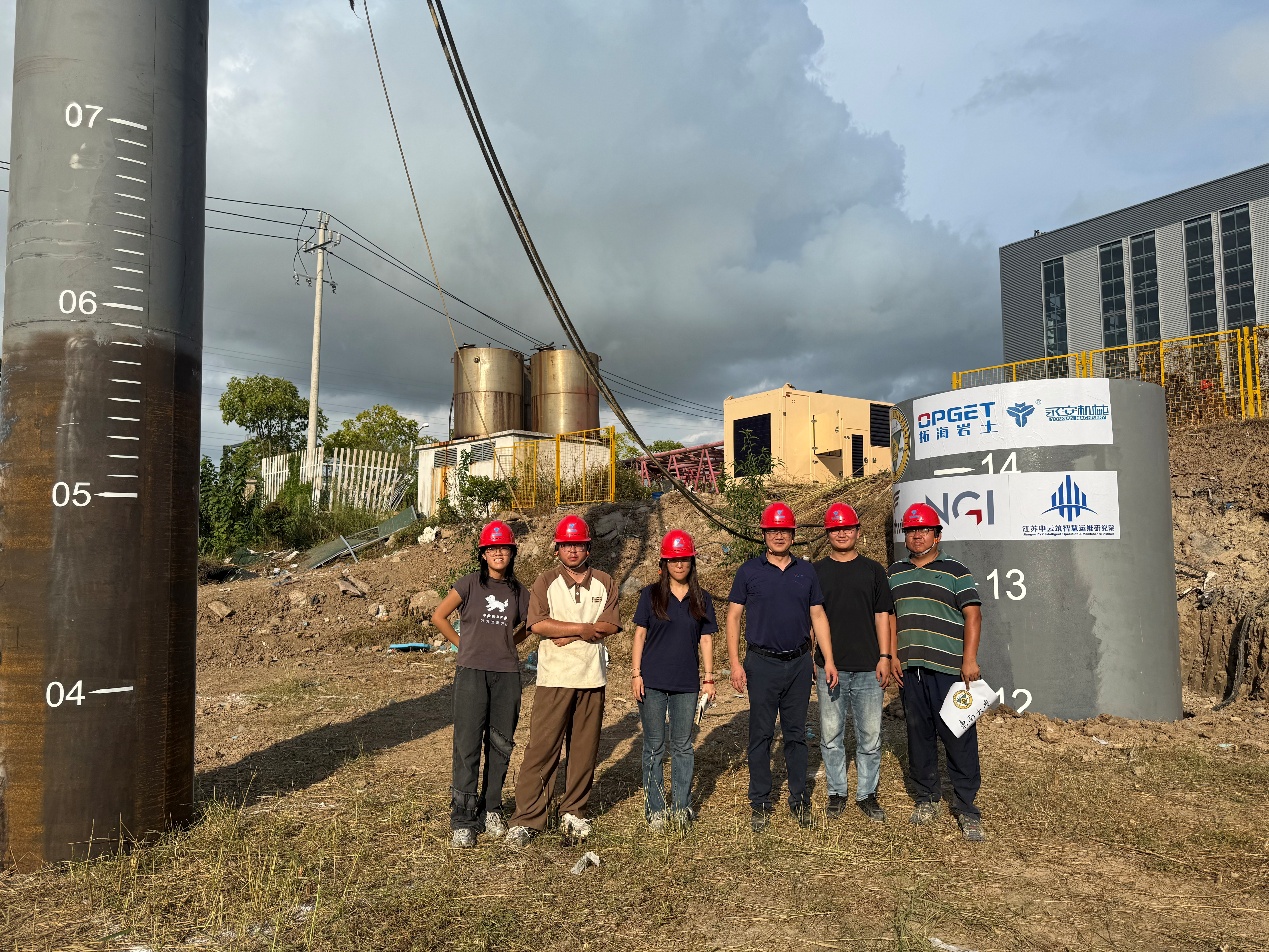
The world's first field test project on the stiffness and damping of large-diameter offshore wind power monopiles, led by Professor Zhang Youhu's team from Southeast University, has successfully completed all pile foundation construction tasks. The project encompasses both the upper tower and turbine structure. This marks a significant milestone in the project and provides strong support for subsequent experimental research. The project was jointly implemented by Southeast University and Goldwind Technology, with participation from the Norwegian Geotechnical Institute (NGI), Wenzhou Yong'an Heavy Industry, Tuohai Geotechnical, Jiangsu Zhongyunzhu, and Shanghai Nuolai, among others.
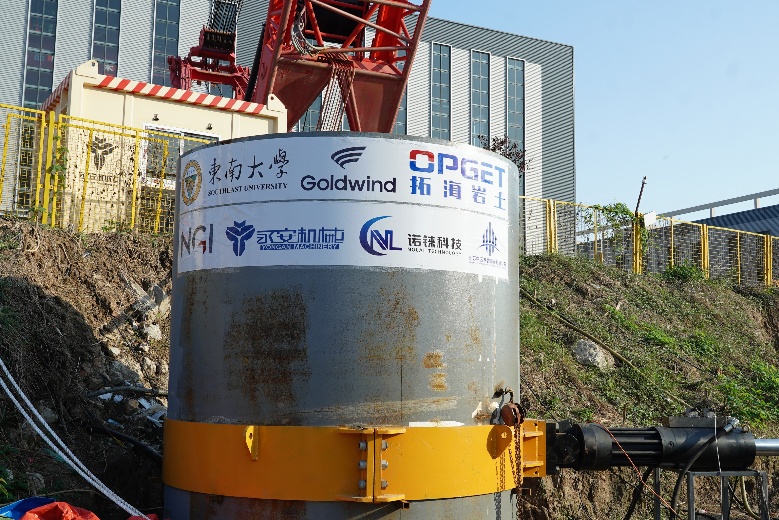
Offshore wind power large-diameter monopile stiffness and damping field test project
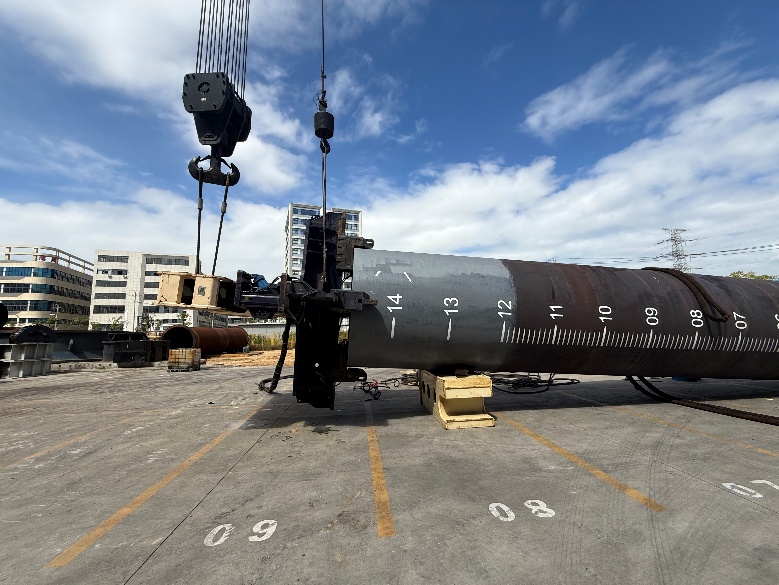
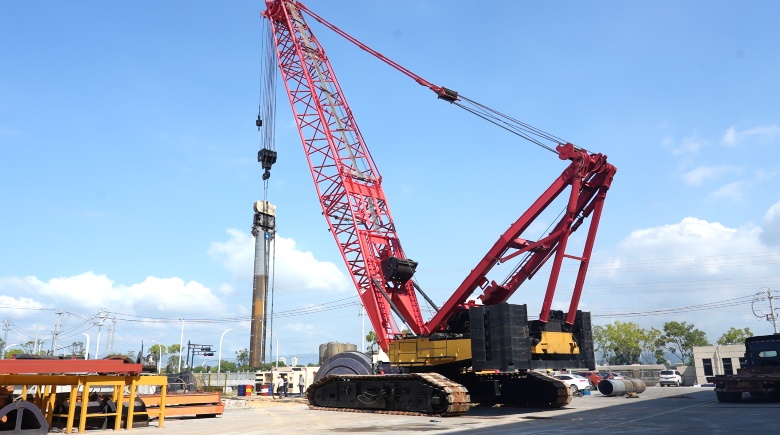
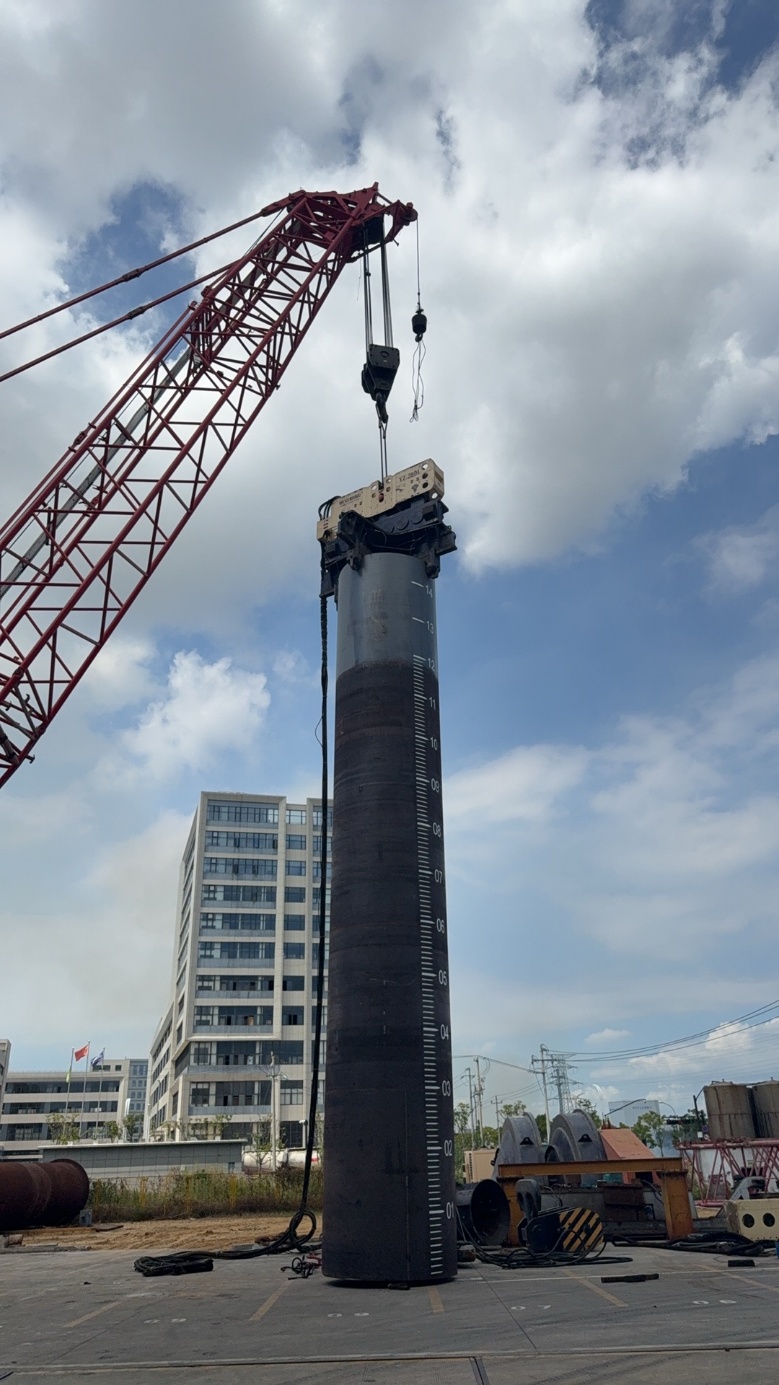
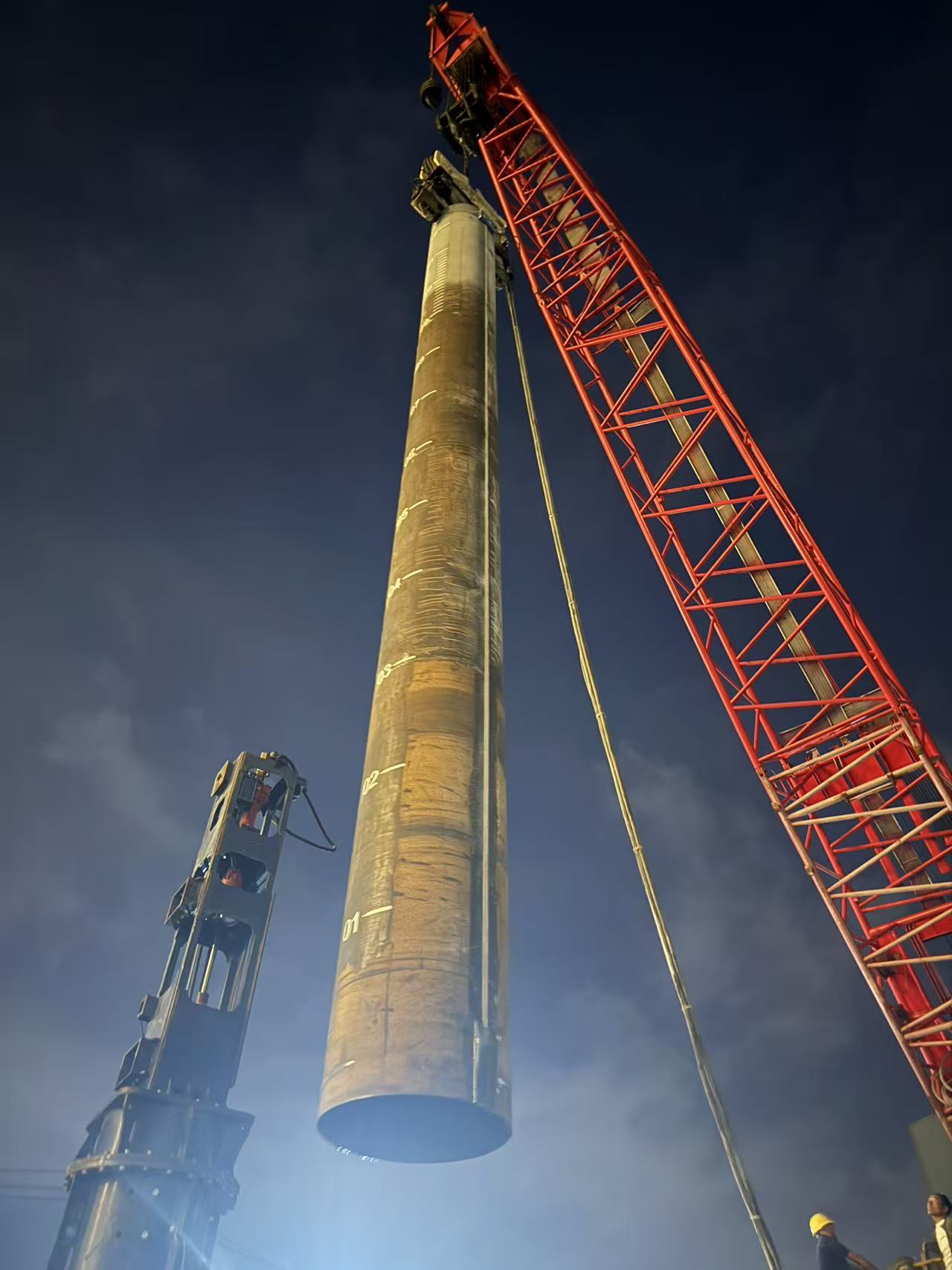
Offshore wind power large-diameter monopile stiffness and damping field test pile foundation hoisting site
The project site is located in Dongtou District, Wenzhou City, Zhejiang Province. The site's geological conditions are similar to those of typical offshore wind farms along China's southeast coast, making it highly representative and accurately reflecting the stress and deformation characteristics of offshore wind turbine foundations under complex geological conditions. The project focuses on the pile - soil interaction stiffness and damping of ultra-large monopiles for wind turbines, developing and validating key technologies for weight reduction and load reduction of ultra-large monopiles. This will significantly optimize monopile foundation design, contributing to the parity and healthy sustainable development of offshore wind power.
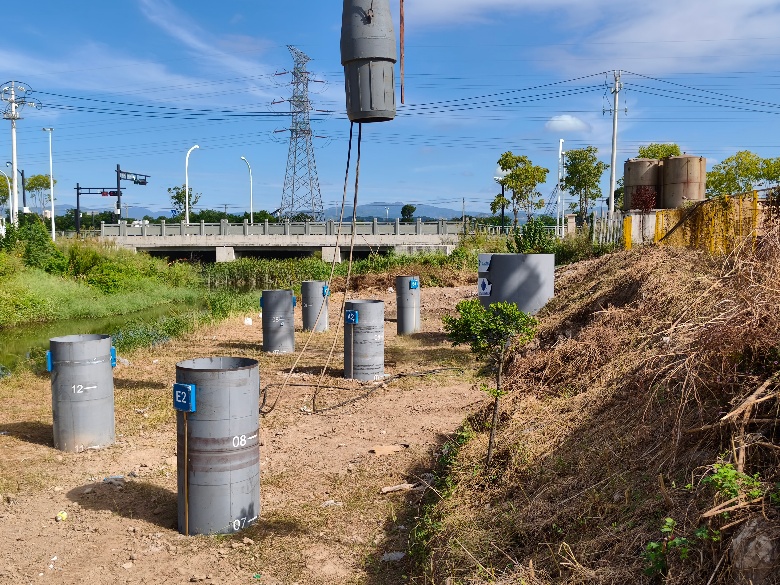
Offshore wind turbine large-diameter monopile on-site test pile foundation construction site
The team pursued independent technological innovation, integrating scientific and technological advances to rigorously control test quality across all aspects, including design, construction, and monitoring. This ensured that the entire testing process was safe and controllable, and that the data was authentic and reliable, thus promoting the comprehensive implementation of the project to a high standard and with high quality. To date, the project has completed key procedures such as indoor model test verification, test site investigation, in-situ CPTu testing, indoor advanced geotechnical testing, pile foundation construction, and the installation of fiber optic strain sensors. The tower hoisting will be completed soon, and the tests will officially commence.
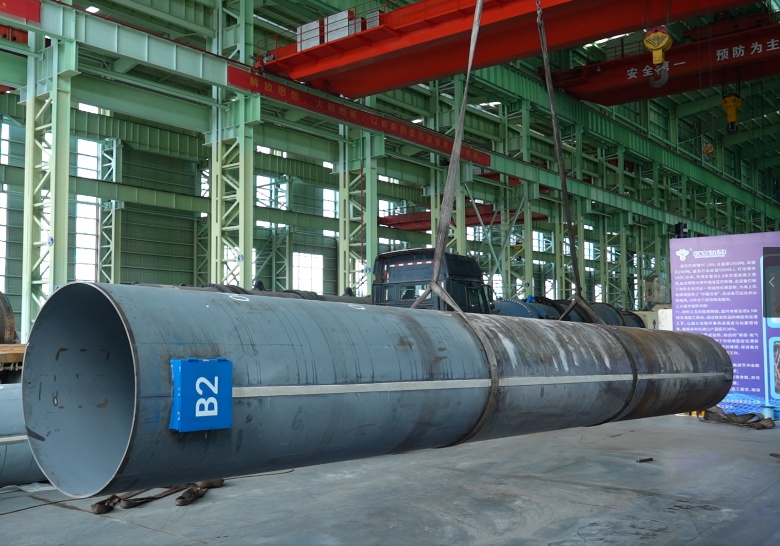
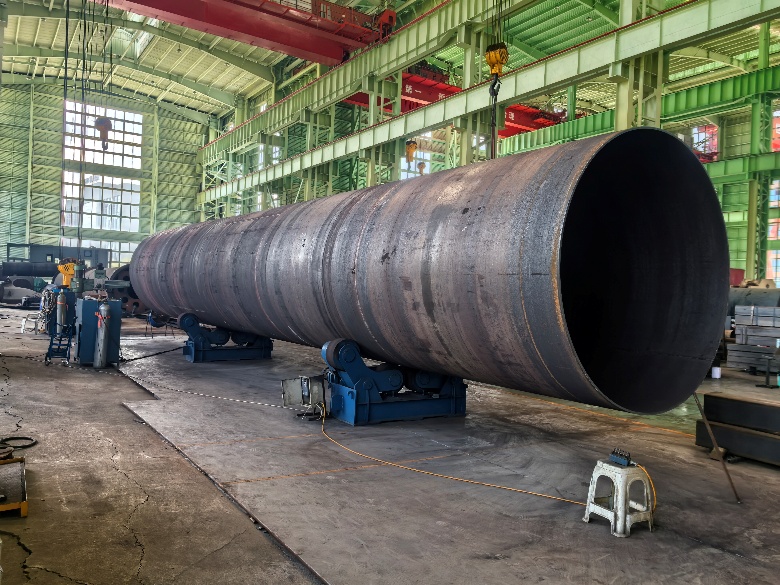
Offshore wind turbine large-diameter monopile field test pile foundation processing
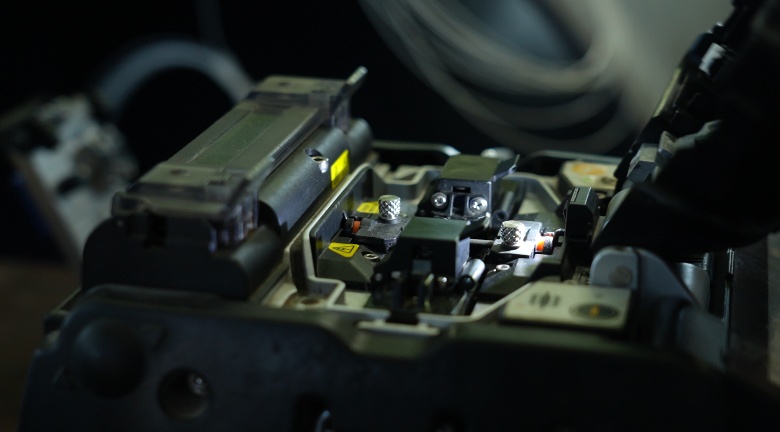
Grating fiber optic sensor embedded technology
It is reported that this project innovatively constructed the world's first integrated simulation test technology for "foundation + tower + wind turbine structure," realistically reproducing the actual load-bearing mode of offshore wind power foundations. Based on this test, the project will systematically verify the rapid evaluation method for pile-soil interaction damping based on the damping-strain characteristics at the soil unit level, proposed by Professor Zhang Youhu's team at Southeast University. This will form a key technology for weight reduction and load reduction of ultra-large monopiles in offshore wind power, bridging the "last mile" in the engineering application of scientific research results. It is worth noting that several international standards explicitly require that the impact of pile-soil interaction damping on wind turbine response be considered in the design, but none provide specific calculation methods. The fundamental reason is that there is currently no accurate and efficient method in the industry to evaluate the damping of the pile-soil system. The pile-soil interaction damping calculation model and its characterization method in wind turbine time-domain analysis, which the project plans to develop and verify, will provide the industry with an engineering-applicable solution, and is expected to fill the gap in offshore wind power design specifications regarding soil damping.